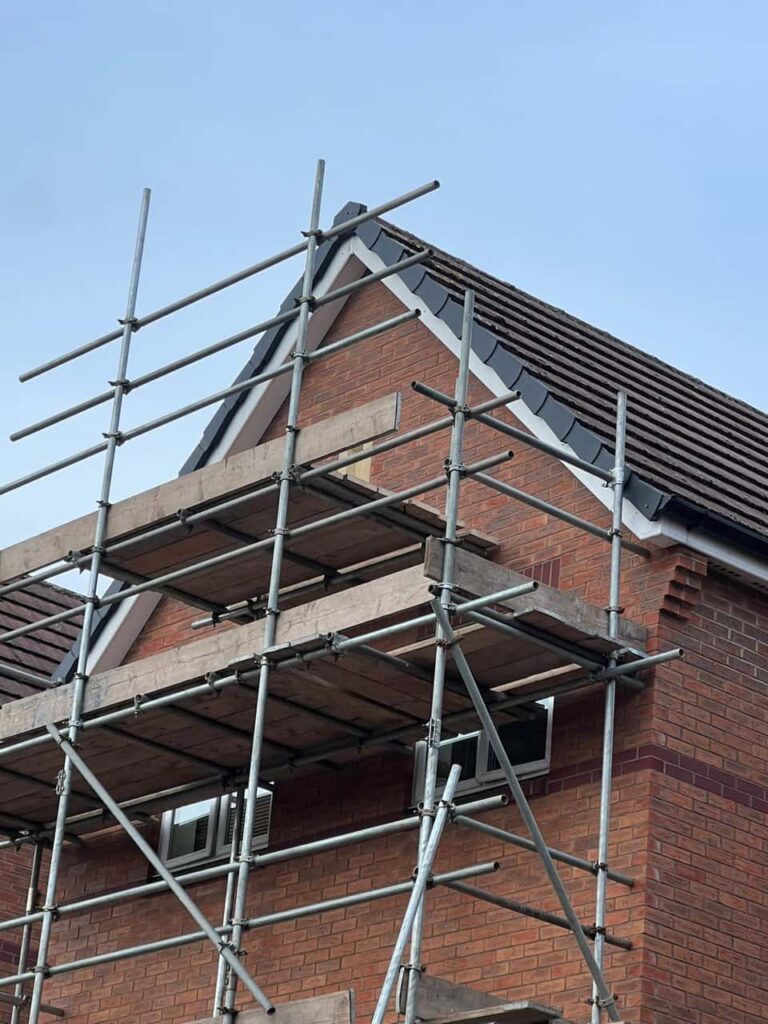
Properties in exposed locations are more vulnerable to wind, driving rain, and fluctuating weather conditions. In areas such as Molescroft, East Riding of Yorkshire, roof design plays a crucial role in how well a building withstands the elements. One roof style that consistently performs well in these conditions is the hip roof, valued for its stability, balance, and long-term resilience.
At TRP Roofing Molescroft, hip roofs are frequently recommended for properties where weather exposure is a key consideration.
The Structural Strength of a Hip Roof
A hip roof is characterised by slopes on all sides that meet at the top, rather than having vertical gable ends. This design creates a compact, self-supporting structure that distributes weight and pressure more evenly across the roof.
Because there are no large, flat ends exposed to the wind, hip roofs experience less uplift and strain during strong gusts, making them particularly reliable in open or elevated locations.
Improved Wind Resistance
One of the main advantages of a hip roof in exposed areas is its aerodynamic shape. Wind flows more smoothly over sloping sides than it does against vertical surfaces.
This reduces the risk of tiles lifting, fixings loosening, and structural movement, all of which can occur more frequently on roofs with large gable ends.
Enhanced Stability in Harsh Weather
Hip roofs benefit from consistent load distribution across all sides. This balanced design helps the roof cope with changing weather conditions, including heavy rainfall and seasonal temperature shifts.
The reduced stress on individual sections of the roof contributes to long-term stability and fewer weather-related issues.
Better Protection for Roof Coverings
In exposed environments, roofing materials are subjected to greater wear. The shape of a hip roof helps protect tiles, ridges, and edges by reducing pressure points where damage commonly begins.
This added protection supports the overall lifespan of the roof covering when properly installed and maintained.
Reduced Risk at Roof Edges
Roof edges are often the first areas to suffer damage during storms. Hip roofs naturally have fewer sharp edges and no high gable peaks, lowering the likelihood of wind-driven rain and debris causing localised failures.
This design advantage helps maintain the integrity of the roofline over time.
Consistent Drainage Performance
With slopes on all sides, hip roofs promote effective water runoff. Rainwater is directed evenly away from the roof, reducing pooling and minimising prolonged moisture exposure.
Good drainage plays an important role in preserving both the roof covering and the underlying structure, particularly in areas prone to frequent rainfall.
Long-Term Reliability for Exposed Properties
While no roof is immune to the effects of severe weather, hip roofs are widely regarded as one of the most dependable designs for exposed locations. Their balanced structure, wind resistance, and efficient drainage make them a practical choice for properties that need extra protection.
Professional installation and regular inspection remain essential to ensure the roof continues to perform as intended.
Conclusion
Hip roofs are well-suited to exposed locations due to their strong structural design, reduced wind resistance, and balanced load distribution. These qualities help protect properties from the effects of harsh weather and support long-term roof performance.
For homeowners in Molescroft, East Riding of Yorkshire, TRP Roofing Molescroft provides expert guidance, installation, and maintenance for hip roofs and other roofing systems. If you are considering roof repairs, upgrades, or professional advice, contact our experienced team to ensure your property remains well protected in all conditions.
Call us on: 01482 420 398
Click here to find out more about TRP Roofing Molescroft
Click here to complete our contact form and see how we can help with your roofing needs.